How to Choose the Right Cross-Country Skis: Expert Nordic Ski Buying Guide
The best cross-country skis are the ones that fit your weight, ability, skiing style, and goals. Whether you're choosing classic, skin, or skate skis, getting the right flex and fit matters more than simply choosing the most expensive model.
Buying cross-country skis can feel overwhelming. Should you choose classic or skate skis? Are skin skis a good option? How do you know which length and flex are right for you?
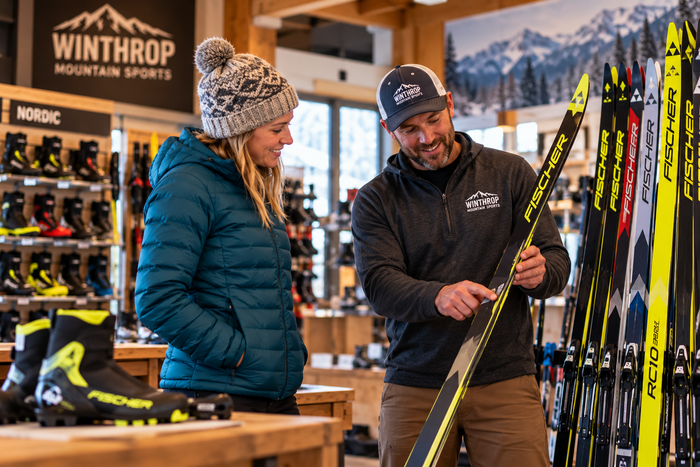
At Winthrop Mountain Sports, we help everyone from first-time Nordic skiers to experienced racers find equipment that matches their ability, goals, and budget. Led by two-time Olympian Erik Bjornsen, our team combines racing experience, ski fitting expertise, and practical knowledge of Nordic equipment to help you make the right decision.
1. Classic or Skate Skis: Which Should You Buy?
The first decision is choosing the type of cross-country skiing you want to do.
Classic Cross-Country Skis
Classic skiing uses a forward-and-backward stride, usually in parallel tracks on groomed trails. Classic skis are an excellent choice for beginners, recreational skiers, and experienced athletes who enjoy traditional Nordic skiing.
There are several types of classic skis:
- Skin skis: Feature an integrated grip zone that provides traction without applying traditional kick wax. They're a convenient choice for recreational and fitness skiers.
- Waxable classic skis: Use kick wax selected for snow conditions. They're popular among experienced skiers and racers who want precise control over grip and glide.
- Metal-edge touring skis: Offer additional edge grip and control for skiers exploring firmer snow, varied terrain, or suitable ungroomed routes.
Skate Cross-Country Skis
Skate skiing uses a side-to-side skating motion on wide, groomed trails. Skate skis are generally shorter than classic skis and have different flex characteristics.
They're designed for glide and efficient power transfer rather than a traditional grip zone. Skate skiing is popular among fitness enthusiasts, competitive skiers, and anyone who enjoys a dynamic workout.
Our advice: Choose the discipline you'll enjoy skiing most often. If you're unsure, renting classic and skate equipment before buying can help you decide.
2. Why Ski Fit Matters More Than Ski Length
One of the biggest mistakes people make when buying Nordic skis is choosing them based only on height.
While ski length matters, skier weight, ski flex, technique, and intended use are equally important. Two skis of the same model and length can have different flex characteristics.
For classic skis, the right flex helps balance reliable grip with efficient glide. A ski that's too stiff may be difficult to kick, while one that's too soft can create excessive drag.
For skate skis, flex affects stability, power transfer, and how the ski performs on snow. At Winthrop Mountain Sports, we focus on matching the characteristics of each ski to the individual skier rather than relying only on a general sizing chart.
3. Are More Expensive Cross-Country Skis Worth It?
Premium Nordic skis typically use lighter materials, more sophisticated construction, and carefully selected flex characteristics.
For experienced skiers, these differences can improve responsiveness and overall skiing performance. However, the most expensive ski isn't automatically the best choice.
A properly fitted recreational ski can be a better investment than a premium racing ski that doesn't match your weight, technique, or skiing goals. Prioritize fit first, then choose the performance level that makes sense for your budget.
4. Should You Buy Skin Skis or Waxable Classic Skis?
For many recreational classic skiers, skin skis are an excellent option. Their integrated skin grip system makes them convenient for skiing in a variety of conditions without the daily challenge of choosing kick wax.
Waxable classic skis offer more flexibility in adjusting grip to specific snow conditions and remain a popular choice for competitive skiing.
Neither option is universally better. If you want convenient classic skiing with less kick-wax maintenance, skin skis are worth considering. If you're an experienced skier who enjoys optimizing equipment for specific conditions, waxable skis may be the better fit.
5. Don't Forget Boots, Bindings, and Poles
Your skis are only one part of your Nordic setup.
Properly fitted boots improve comfort, control, and power transfer. Bindings must be compatible with your boots, and pole length should match your skiing discipline and body dimensions.
A great pair of skis with poorly fitting boots can make skiing frustrating. That's why we recommend considering the complete setup rather than selecting each piece independently.
6. Should New Nordic Skis Be Waxed or Stone-Ground?
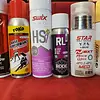
New Nordic skis generally benefit from appropriate glide-wax preparation before use.
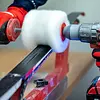
Some factory structures perform very well and don't need immediate stone grinding. Others may benefit from a customized grind when the factory structure isn't well suited to the snow conditions where you'll ski most often.
At Winthrop Mountain Sports, we offer professional Nordic ski waxing and stone grinding and can help determine whether additional base preparation makes sense for your new skis.